Welcome to the TriniGourmet.com articles archive. Here you will find everything you need to know on preparing gourmet food, both Trinidadian and international. What exactly is ‘gourmet’ food? Well technically speaking, gourmet food is characterized by high quality, accurate preparation, and artistic presentation. Whether you are currently a certified gourmet (i.e. person that is knowledgeable in fine food and drink), or aspiring to become one, the following articles are sure to provide a helpful fact or two.
There’s a moment in every serious Trinbagonian cook’s journey when the words catch up with the hands. You’ve been watching. You’ve been tasting. You’ve been standing at the elbow of someone who has been doing this for forty years. And then they say: “Chunkay it” or “You need to boonjay that first”. That’s when you understand that what you’re being taught isn’t just a step in a recipe. It’s a system of knowledge with its own language.
I’ve been documenting Trinidadian cooking vocabulary and terms since 2006, and the following three terms are the ones I return to most often when someone wants to understand why our cuisine does what it does.
Chunkay.
Boonjay.
Browning.
Chunkay: The Opening Step
Chunkaying is where everything starts. Whole spices, powdered blends, garlic, and herbs go into hot oil and bloom — cracking, sizzling, releasing their essential oils into the fat. This is the foundational flavour base. Everything that comes after is cooked in what the chunkay built. It isn’t a finishing flourish; it is the opening of the dish. The sound matters. The sequence matters. Get this wrong and what follows has no foundation.
Boonjay: The Step That Follows
Boonjaying is often what happens next. Seasoned meat is added directly to the chunkayed pot and cooked down. First covered, then uncovered until all the liquid has cooked off and the ingredients are frying gently in the concentrated aromatics. The pot is dry and the meat has taken on a deep, rich colour, the juices and spices fully absorbed. You can serve it exactly as it is, or add water or coconut milk to build an additional curry or gravy. That decision is yours. But the boonjaying must happen first. There is no shortcut to a dry pot.
Browning: A Heritage Flavour
Browning, in the Trinidadian sense, refers specifically to caramelised sugar used as a base for stewing meats, particularly chicken and beef. Sugar (I prefer to use brown) goes into hot oil and is cooked, carefully and actively, until it turns a deep amber and smells almost bitter. The meat goes in at precisely the right moment. Too soon and the dish will be too sweet, the meat too pale. Too late and the caramel permanently seizes and burns. This technique is the backbone of many heritage dishes including Trinidadian stew chicken, and it cannot be substituted with soy sauce or bottled browning without consequence.
Why Trinidadian Cooking Terms Matter
Our Trinidadian cooking terms aren’t decorative. They aren’t “slang”. They are instructions. They are precise, technical, culturally specific. They carry the fingerprints of the African, Indian, European, Chinese, Middle Eastern and Indigenous traditions that collided and combined in Trinidad’s kitchen over centuries.
They’re architecture, the foundational logic that separates a recipe approximation from “the real thing”.
When you learn them properly, you stop being someone who is making a Trinidadian dish. You start actually cooking one.
They’re why I’ve been making the case, over the last nearly twenty years, that Caribbean cuisine deserves to be understood on its own terms.
Most recently, earlier this month, a “shortcut recipe” for doubles, published in the Washington Post, led me to take this argument to LinkedIn.
I laid bare that you can’t shortcut your way to fluency in a language you’ve never learned. And you certainly can’t “improve” on or “shortcut” what you don’t yet understand. However, you can still profit from it, if you are speaking to an audience that is still largely unaware of the errors that were made.
The conversation it opened
When that piece went live, people started reaching out who weren’t only home cooks or food enthusiasts. They were tourism strategists, hospitality professionals, and cultural economists from Trinidad, from across the region, and throughout the diaspora. What they named was considerably bigger than the recipe itself.
Carla Cupid, a tourism strategist in Trinidad and Tobago, framed what was at stake from a destination branding perspective:
“Our cuisine is one of our strongest competitive advantages and deserves greater investment and global positioning… When our cuisine is properly represented, it strengthens destination branding, supports local entrepreneurs and creates deeper cultural connections for visitors. Our voices must play a central role in telling our culinary stories.”
From Antigua, Nicole Antonio-Gadsdon — who works on the people and culture side of luxury hospitality — described what the article opened up:
“There’s so much food for thought about cultural legitimacy, power and authenticity via the lens of Caribbean food. For those of us in the people and culture side of hospitality, especially in the luxury niche, the brainpokes in each sentence resonate — the dangers and the opportunities are clear.”
And from far-flung Belgium, Deborah Wehrens, founder of the culinary IP brokerage Culius, named the structural argument most precisely:
“The authorship gap is the real problem. What the Washington Post incident exposed is not just disrespect. It is a structural failure to recognise that Caribbean culinary knowledge has authors. Specific, named, documented authors. People who spent decades earning the right to say what doubles is and what it is not. When a publication bypasses those authors and reaches for a convenient shortcut version, they are not just being culturally careless. They are commercially erasing the people who built the thing they are profiting from.”
Commercial erasure. That phrase has stayed with me. It names what I’ve been circling for nearly twenty years without quite having those words for it.
Our culinary vocabulary isn’t just cultural inheritance. It’s the foundational block of intellectual property. It’s not just heritage, it’s currency, and it belongs to the people who practice it daily, who document it, who refine it. It deserves more than a convenient approximation by someone who never bothered to learn the words of a song they presumed themselves fit to teach others.
Conclusion
Chunkaying.
Boonjaying.
Browning.
These aren’t just cooking terms. They’re a claim. A claim that our cuisine has a structure, a lineage, and a body of knowledge that was built by specific people over centuries, and it belongs to them. When you learn them. When you use them. You are honoring their legacy.
What the response to my LinkedIn article made clear is that this argument resonates well beyond the kitchen. Tourism strategists are seeing it in destination branding. Luxury hospitality professionals are mapping it onto cultural legitimacy and the visitor experience. Food strategists in Europe are naming it commercial erasure. The vocabulary of Trinidadian cooking isn’t a niche concern. It’s part of a larger conversation about who profits from culture, who gets credited for it, and who gets to define it.
I think sometimes about the woman who asked me the question that started TriniGourmet. An American chef, formally trained, who had never encountered a Trinidadian swizzle stick and stopped cold when she saw one. She asked me questions nobody had asked me before. And I realised, in that moment, that what we had was unique, inimitable, and deserving of correct documentation.
That was 2006 and I’m still at it.
After nearly twenty years, a New York Times “essential guide” designation, and appearances in international media, such as Travel Channel’s Delicious Destinations, the single thing I’m most certain of now is this: when a cuisine loses its sovereign terminology, it becomes available to anyone who wants to repackage it.
The defence isn’t gatekeeping (the knee jerk reaction I see permeating social media).
It’s linguistic precision.
It’s branding.
It’s marketing.
It’s fostering a culture that understands the importance of registering (and respecting) Intellectual Property.
It’s frameworks for visibility, on our terms, that focus less on accessibility and insist instead on 1) why our vocabulary and techniques are ours, 2) why they matter and 3) lead from there.
It’s a willingness to speak up and call out institutional disrespect and not accept “visibility” as a consolation prize.
The terms in this post are ones I’ve been making the case for across nearly two decades in print, on television, in live cooking sessions with food creators across Canada, the UK, and the US. They’re not the whole vocabulary but they’re an entry point, and they build authority.
Start with the vocabulary.
The food will follow.
If what you’ve read here resonates and you’re ready to go further — in the kitchen, in your business, or in how you understand what intentional, culturally grounded living actually looks like — I’d love for us to work together. Explore the ways we can.
KFC Sponsored Bus Stand, Churchill-Roosevelt Highway, outside Trincity Mall (2009)
I remember the mutual culture shock on an American friend’s face when I was living away and lamenting the fact that for such a First World country, how come KFC in the USA didn’t deliver?!? She apparently had never thought about it, and was quite surprised to learn that in Trinidad KFC delivery is par for the course.
“That’s it!” she said, “I’m moving to Trinidad!”
“To have chicken delivered to your house?”
“Hells yeah!”
Hells yeah, indeed 🙂
That conversation, as lighthearted as it was, perfectly captures something profound about KFC Trinidad. What seems ordinary to us—delivery service, pepper sauce as standard, the Zinger sandwich we have enjoyed for decades—is actually extraordinary when you look at the bigger picture. My American friend’s surprise made me realise just how unique our relationship with KFC truly is.
When I think about KFC Trinidad today, I don’t just think about fried chicken or convenient delivery (though yes, just dial your area code followed by 0777, and dinner is sorted). I think about late-night limes with friends, the satisfying crunch of that golden coating, and the way mixing pepper sauce and ketchup into a dipping sauce transforms every bite into something magical.
For over fifty years, KFC Trinidad has been more than just a fast food chain on our islands. It has become part of our cultural fabric, woven into our celebrations, our everyday meals, and yes, even our national identity.
Today, I want to take you on a journey through the remarkable history of KFC Trinidad, from its humble beginnings in St James to becoming the birthplace of global menu innovations. Whether you are a Trini who has been enjoying KFC for decades or are someone curious about our unique relationship with this American franchise, this post will reveal why KFC Trinidad holds such a special place in our hearts and our culinary landscape.
1. The Historic 1973 Opening That Changed Everything
I can only imagine the excitement that must have filled the air on 26 June 1973 when the very first KFC Trinidad location opened its doors on Western Main Road in St James. The anticipation had been building, and when opening day finally arrived, scores of customers lined up eagerly, ready to experience something entirely new to our islands.
This was not just another restaurant opening. This was the beginning of what would become one of the most successful KFC franchises in the entire world. The Jaycees business partners who formed Prestige Holdings Limited, to bring KFC Trinidad to life, had no idea they were creating history. They simply saw an opportunity to introduce something special to Trinidad and Tobago.
What made this opening so significant:
It was Trinidad & Tobago’s introduction to international fast food culture
The demand exceeded all expectations from day one
It set the foundation for what would become a 50-plus year love affair with the brand
Local entrepreneurs took ownership of an American concept and made it authentically ours
The success was immediate and undeniable. Within a short time, the franchise expanded to 15 restaurants across both islands, proving that Trinbagonians had fully embraced this new culinary option. Little did anyone know that this was just the beginning of innovations that would eventually influence KFC operations around the globe.
Essential Kitchen Tools for Fried Chicken Lovers
If you want to create your own perfect fried chicken at home, here are some tools that will help you achieve restaurant-quality results:
1. Lodge Cast Iron Dutch Oven This Dutch oven maintains consistent heat for that perfect golden crust. Cast iron is what gives you that satisfying crunch, and the depth helps prevent oil splatter while you cook.
2. ThermoPro TP03 Digital Instant Read Meat Thermometer Never overcook your chicken again. This affordable thermometer ensures your chicken reaches the safe internal temperature of 165°F while staying juicy inside.
3. Presto 05420 FryDaddy Electric Deep Fryer For those who want consistent results without the guesswork, this electric fryer maintains the perfect temperature automatically. It is compact, affordable, and perfect for smaller batches.
2. Trinidad Invented the KFC Zinger in 1984
Here is something that fills me with immense pride every single time I think about it: the KFC Zinger, that spicy, crispy chicken sandwich that has become a global sensation, was invented right here in Trinidad and Tobago in 1984.
Let that sink in for a moment. A menu item that is now sold in 120 countries around the world, with Australia alone selling 22 million Zingers annually, was born on our twin islands. The innovation came from KFC Trinidad’s desire to marry the classic chicken sandwich with the hot and spicy recipe that Trinbagonians already loved.
The Zinger’s journey from Trinidad to the world:
Created in Trinidad in 1984 as a local menu innovation
Became so popular that KFC began rolling it out to other Caribbean markets
Eventually expanded to over 120 countries worldwide
Took 33 years to finally launch in the United States in 2017
Remains one of KFC’s most successful menu items globally
What strikes me most about this story is how it reflects our Trinbagonian spirit of innovation and our understanding of what makes food truly satisfying. We knew that chicken needed that kick, that perfect balance of spice and crunch. We weren’t content with ordinary, we wanted extraordinary, and we created it.
The Zinger represents more than just a sandwich. It symbolises how Trinidad and Tobago, despite our small size, can create innovations that resonate with the entire world. It is a reminder that great ideas can come from anywhere, and that our culinary instincts and preferences have global appeal.
3. We Have More KFC Outlets Per Capita Than Anywhere Else
This is the statistic that always makes people do a double take: Trinidad and Tobago has more KFC outlets per person than any other country in the world. With a population of approximately 1.4 million people and somewhere between 55 to 60 KFC Trinidad restaurants across both islands, we have achieved a level of market penetration that is simply unmatched.
To put this in perspective, you are never far from a KFC Trinidad location, no matter where you are on either island. This remarkable density speaks volumes about our relationship with the brand and how thoroughly it has been integrated into our daily lives.
Why this matters:
It demonstrates the incredible success of the local franchise model
It shows how deeply KFC Trinidad has become part of our food culture
It reflects the consistent quality and appeal that keeps customers coming back
It proves that Trinbagonians have made KFC their own in a way that few other nations have
Some might wonder why we love KFC Trinidad so much. Is it just the convenience? The consistency? The taste? I believe it is all of these things combined with something deeper: the way KFC Trinidad has adapted to our palates, our preferences, and our culture. It is not just an American import; it has become authentically Trinbagonian.
4. The Independence Square Branch Was One of the Busiest in the World
I remember hearing stories about the legendary Independence Square KFC Trinidad location in Port of Spain. This branch was not just busy by local standards; it was competing with and often surpassing KFC locations in major first-world cities around the globe in terms of daily transactions.
Think about that for a moment. A KFC in downtown Port of Spain was processing more orders, serving more customers, and generating more revenue than branches in cities ten or twenty times our size.
What makes this location so successful:
Prime downtown location accessible to office workers and shoppers
Consistent quality that keeps customers returning
Fast, efficient service even during peak hours
Strategic positioning near major bus routes and transportation hubs
The perfect blend of convenience and reliability
This success story is not just about one location. It reflects how KFC Trinidad has mastered the art of understanding local customer behaviour, peak times, and preferences. It shows the level of operational excellence that Prestige Holdings has maintained over decades.
5. Trinidad Pioneered the Drive-Thru Concept for KFC
In 1980, four years before we invented the Zinger, KFC Trinidad introduced another innovation that would become standard across the franchise: the drive-thru concept. We were the first market among Caribbean and Latin American franchises to implement this convenience feature.
I think about how revolutionary this must have been at the time. The idea that you could order your food without leaving your car, perfect for our climate and our lifestyle, was brilliant. It changed the way people thought about fast food in Trinidad and demonstrated once again that our market was not just following trends, we were setting them.
The impact of the drive-thru innovation:
Made KFC Trinidad more accessible during rainy season
Appealed to families with young children
Reduced wait times and improved customer experience
Set a new standard that other franchises would follow
Showed that KFC Trinidad understood local needs and preferences
This innovation, like the Zinger, demonstrates that KFC Trinidad has always been more than just a franchise following corporate mandates. It has been a testing ground for ideas that would eventually spread throughout the entire KFC system.
6. The Pepper Sauce Tradition That Makes KFC Trinidad Unique
Now we’re getting to something that is deeply personal to me: the pepper sauce. When I visit KFC Trinidad, I always, and I mean always, mix their house-brand pepper sauce with ketchup to create what I consider to be the perfect dipping sauce. This combination of sweetness and heat is something I look forward to every single time.
What makes this so special is that providing pepper sauce as standard is so Trinbagonian. You will not find this at KFC locations in most other countries. This is KFC Trinidad understanding that we need our heat, that our palates demand that kick, that perfect balance of flavour that pepper sauce provides.
My personal dipping sauce technique:
Start with a base of ketchup (about half your container)
Add pepper sauce to taste (I like a 1:1 ratio, but adjust based on your heat tolerance)
Mix thoroughly
The sweetness of the ketchup balances the heat perfectly
Every bite becomes an experience, not just a meal
This is more than just a condiment choice. It represents how KFC Trinidad has localised the experience, how they have honoured our culinary traditions and preferences. It’s a small detail that makes an enormous difference in how we experience and enjoy their food.
7. Fresh, Never Frozen: Our Quality Standards
One of the reasons KFC Trinidad maintains such high standards and customer loyalty is their commitment to using fresh, never-frozen chicken that is prepared daily in each store. This is not just marketing speak; this is a genuine commitment to quality that you can taste in every bite.
I appreciate this attention to detail because I know the difference between chicken that has been frozen and thawed versus chicken that has been fresh from the start. The texture is different, the moisture content is different, and ultimately, the taste is different. KFC Trinidad has maintained this standard for over fifty years, and it shows.
Why fresh chicken matters:
Better texture and moisture retention
Superior flavour that frozen chicken cannot match
Demonstrates respect for customers and commitment to quality
Requires excellent supply chain management and daily preparation
Sets KFC Trinidad apart from many other fast food chains
This commitment to quality is part of why KFC Trinidad has achieved such remarkable success. Trinbagonians know good food, we have high standards, and we can tell when corners are being cut. KFC Trinidad has never made that mistake. They have maintained their quality standards even as they have expanded across both islands.
8. Community Integration Over Five Decades
What touches me most about the KFC Trinidad story is not just the business success or the menu innovations. It is how thoroughly the brand has integrated itself into our communities over more than fifty years. KFC Trinidad has been there for educational initiatives, student support programmes, Carnival sponsorships, sporting events, Christmas donations, flood relief efforts, and so much more.
The Harvest initiative, which works to reduce food waste while supporting food security, represents the kind of thoughtful community engagement that makes KFC Trinidad more than just a restaurant chain. They employ over 3,000 people across both islands, providing careers and opportunities in the food service industry.
Community involvement includes:
Supporting local schools and educational programmes
Sponsoring cultural events like Carnival
Providing disaster relief during floods and emergencies
Creating employment opportunities for thousands of Trinbagonians
Investing in food security initiatives
Long-term commitment to corporate social responsibility
This is what transforms a franchise into something that feels like it belongs to us. When a company invests in the community for over fifty years, when they show up during difficult times, when they create opportunities for our people, they become part of the social fabric. That is what KFC Trinidad has achieved.
9. Other Trinidad Innovations That Went Global
The Zinger might be the most famous KFC Trinidad innovation, but it is far from the only one. We were also the first market to launch Hot and Spicy Chicken among Caribbean and Latin American franchises. This was another example of KFC Trinidad understanding what Trinbagonians wanted before the rest of the world caught on.
The Cruncher sandwich is another Trinidad creation that eventually went global. Once again, our market proved to be a testing ground for ideas that would resonate with customers worldwide.
There is a pattern here: Trinidad innovates, the world follows.
Trinidad’s track record of KFC innovations:
The Zinger sandwich (1984) – now in 120 countries
Hot and Spicy Chicken – pioneered for the region
The Cruncher sandwich – another global success
Drive-thru concept (1980) – first in Caribbean and Latin America
Various menu adaptations that influenced other markets
This track record of innovation demonstrates something important about Trinidad and Tobago. We are not just consumers; we are creators. We do not just accept what is given to us; we imagine what could be better, what could be more suited to our tastes, and we make it happen. KFC Trinidad has been wise enough to recognise this spirit and harness it for innovation.
10. What Makes the Trinidad Experience So Special
After exploring all these facts and innovations, the question remains: what makes the KFC Trinidad experience truly special? Why do Trinbagonians have such an emotional connection to this franchise? Why do people in the diaspora bring KFC from Trinidad to family members abroad?
The answer, I believe, is complex and beautiful. It is partly about the quality and consistency. It is partly about the innovations and adaptations that make it feel authentically ours. It is partly about the memories we have created around KFC meals, the celebrations, the late-night limes, the comfort during difficult times. And yes, it is definitely about the convenience of being able to dial your area code followed by 0777 and have hot, fresh chicken delivered right to your door.
Elements that make KFC Trinidad special:
Consistent quality maintained over fifty-plus years
Menu innovations created specifically for our palates
The pepper sauce tradition that honours our love of heat
Fresh, never-frozen chicken prepared daily
Strategic locations that make it accessible everywhere
Delivery service that is efficient and reliable
Deep community integration and social responsibility
The emotional connections and memories we have built
But I think there is something even deeper at work here. KFC Trinidad represents how we, as Trinbagonians, take something from outside and make it thoroughly our own. We do not just adopt foreign things wholesale; we adapt them, we innovate on them, we season them with our own spirit until they become part of our identity.
This American franchise has been absorbed into our culture, transformed by our tastes, and made into something uniquely ours.
Frequently Asked Questions About KFC Trinidad
When did KFC first open in Trinidad? KFC Trinidad opened its first location on 26 June 1973 in St James on Western Main Road. The opening saw scores of excited customers lined up to experience this new dining option.
Who invented the KFC Zinger? The KFC Zinger was invented in Trinidad and Tobago in 1984 as a local innovation combining KFC’s chicken sandwich with their hot and spicy recipe. It is now sold in 120 countries worldwide.
How many KFC locations are in Trinidad and Tobago? Trinidad and Tobago currently has between 55 to 60 KFC locations across both islands, giving us more outlets per capita than any other country in the world.
What makes KFC Trinidad different from other countries? KFC Trinidad offers house-brand pepper sauce as standard, uses fresh never-frozen chicken prepared daily, provides efficient delivery service, and has created several menu innovations including the Zinger and Cruncher that later went global.
Is KFC Trinidad really the most profitable? While specific financial data varies, the Independence Square branch was historically one of the highest-grossing KFC locations globally, and Trinidad and Tobago has the highest market penetration of KFC restaurants per capita in the world.
How do I order KFC delivery in Trinidad? Simply dial your area code followed by 0777 to reach KFC delivery. This convenient system has been in place for years and is something many other countries still do not offer.
Final Thoughts: More Than Just Fried Chicken
As I reflect on the remarkable history of KFC Trinidad, I am struck by how much it reveals about us as a people. We are innovators who refuse to accept the ordinary. We are proud of our culinary traditions while remaining open to new influences. We transform what we adopt, we make it our own, and sometimes, we make it better.
The story of KFC Trinidad is not just about a successful franchise. It’s about how food becomes culture, how business becomes community, and how something foreign can become fundamentally local. It’s about the pepper sauce we add to everything, the innovations we create, the standards we refuse to compromise, and yes, the convenience of having hot chicken delivered right to our door.
Whether you enjoy KFC Trinidad regularly or only occasionally (like me), whether you have your own special sauce combination or stick to the classics, whether you prefer dining in or calling that familiar number (area code plus 0777), we are all part of this story. For over fifty years, KFC Trinidad has been there for our celebrations, our everyday meals, our late-night cravings, and our moments of comfort.
So the next time you visit a KFC Trinidad location or place a delivery order, take a moment to appreciate this remarkable history. Mix your pepper sauce with your ketchup (trust me on this one), savour that perfectly crispy coating, and remember that you are participating in a food tradition that is uniquely, proudly, authentically Trinbagonian.
Join the Conversation: Share Your KFC Trinidad Story
I would love to hear about your relationship with KFC Trinidad. What are your earliest memories of visiting? Do you have a special sauce combination like my pepper sauce and ketchup mix? Have you introduced KFC Trinidad to friends or family from abroad? What is your go-to order, and why? Have you ever shocked someone from another country with our delivery service or other unique features?
Here is how you can continue this conversation:
Share this post with someone who will appreciate the history
Tag me on social media when you create your own perfect dipping sauce
Subscribe to TriniGourmet for more deep dives into Trinidad and Tobago food culture
And if you are interested in exploring more about authentic Trinbagonian flavours, cooking techniques, and food history, make sure to explore the other resources here on TriniGourmet. We are building something special together, a community that celebrates, preserves, and elevates Caribbean cuisine.
Thank you for joining me on this journey through the fascinating history of KFC Trinidad. Here’s to the next fifty years of innovation, flavour, and that perfect combination of pepper sauce and ketchup that makes every meal just a little bit better.
Cooking is truly a journey, wouldn’t you agree? Especially when you’re mastering the richness and variety of Caribbean cuisine. For me, rediscovering my roots through the flavours of home has become an act of healing, grounding and creative expression. Cooking with Trinidadian ingredients is not simply about preparing a dish. It’s about preservation. It’s about storytelling. It’s about identity.
Every herb, every pepper, every grain of rice carries the weight of memory and meaning.
If you’re here, you’ve likely felt that dismay of beginning a Trini recipe only to realise you’re missing a key ingredient. Not just any ingredient, but a Trinidadian one.
That’s why I’ve created this guide. Not as a final word, but as a beginning. With such a rich and diverse heritage, each household in Trinidad & Tobago has its own pantry staples. Think of this post as a gentle invitation to share, to connect, and to celebrate the flavours we hold dear.
Wherever you are in the world, I hope this brings more depth, joy, and authenticity to your meals. Let’s begin.
Step 1: Green Seasoning – The Foundation of Trini Flavour
This is where it all starts. The heart. The essence. If you take one thing away from this post, let it be this: green seasoning is everything.
A fresh blend of herbs such as chadon beni (culantro), thyme, Spanish thyme, chives, celery, garlic and pimento peppers, green seasoning is more than a marinade. It’s a form of love passed down through generations.
Why it matters:
Used to marinate meats, season fish, enhance soups and uplift rice dishes
Saves time while ensuring deep, authentic flavour
Pro Tip: Freeze portions in ice cube trays and store for later. This way, flavour is always within reach.
Often mistaken for coriander, this bold, spiky-leafed herb is in a class of its own. Stronger and more assertive, chadon beni makes its presence known.
Why it’s loved:
Valued not only for its vibrant flavour but also for its digestive and medicinal properties
Use it in:
Green seasoning
Chadon beni chutney
Meat marinades
Sauces and dips
Step 3: Curry Powder – Indo-Caribbean Gold
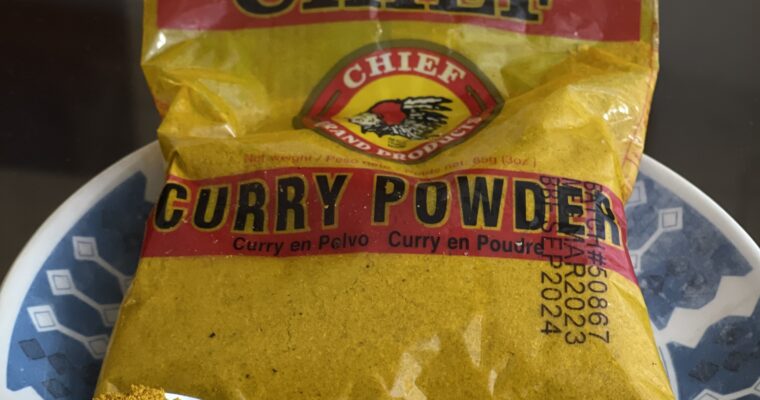
Our version of curry powder is earthy and lighter in colour than many Indian blends. It’s a uniquely Trinidadian combination of turmeric, fenugreek, coriander and cumin.
Why it matters:
Curry bridges us to our Indo-Caribbean ancestry and holds a central place in our culinary identity.
Pro tip: Always ‘chunkay’ your curry. Sauté it in oil until fragrant before adding other ingredients. This unlocks the full richness of flavour.
Step 4: Pimento Peppers – Flavour Without the Fire
Fresh peppers, like these pimentos from my garden freeze extremely well, even without blanching!
These mild, aromatic peppers are the unsung heroes of Trini cuisine. They add depth and aroma without overwhelming heat.
Commonly used in:
Green seasoning
Pelau
Stews and soups
Substitute suggestion: Use red bell pepper with a hint of scotch bonnet if pimentos aren’t available.
Step 5: Geera (Cumin) – Smoky, Earthy Depth
Toasted geera brings smoky richness to dishes like curry duck, channa and beef soup. It’s foundational in dry rubs and spice pastes.
Why it matters:
Balances bold heat with a grounding earthiness
Especially powerful when dry-roasted before use
Step 6: Coconut Milk – Creamy Island Comfort
Coconut milk adds luxurious softness and body to our savoury dishes. It cools spicy flavours and brings callaloo to life.
Pro Tip: Choose full-fat, unsweetened varieties or make your own with grated coconut and hot water for the most authentic taste.
Step 7: All-Purpose Seasoning – A Modern Essential
A reliable all-purpose seasoning is your everyday kitchen ally. Whether store-bought or handcrafted, it adds punch with little effort.
Make your own with:
Paprika
Garlic powder
Onion powder
Black pepper
Salt
Dried thyme
Optional: Cayenne pepper for heat
Step 8: Cassava – The Root Vegetable Hero
Cassava is hearty, versatile and nostalgic. It adapts beautifully—whether in soup, baked as fries or transformed into sweet pone.
Why it’s cherished:
Absorbs seasoning like a sponge
Naturally gluten-free
A classic Caribbean comfort food
Caution: Always peel and boil cassava before use. Raw cassava can be toxic if eaten uncooked.
Pro Tip: Always soak or boil to reduce salt content, but don’t rinse all of it away—the magic is in the balance.
What If You Can’t Find These Trinidadian Ingredients?
This is something I hear often from readers. And I understand. Depending on where you are, sourcing authentic ingredients can be a challenge.
Explore international sections at supermarkets
Stock up when visiting family or returning home
Order from reputable online retailers
Use respectful substitutions that capture the spirit, if not the exact ingredient
Let’s Keep the Conversation Going
This list reflects my own essentials, rooted in memory, experience and a deep love of flavour. But now I’d love to hear from you:
What’s your must-have Trini ingredient?
Is there one you can’t live without?
Have you discovered a new favourite recently?
Drop your thoughts in my Discord, share this post on Pinterest or Instagram, and let’s continue building a collective pantry that reflects the beauty and diversity of our culture.
Free Gift: “7 Sweet Trini Treats” Ebook
If this post resonated with you and you’re ready to explore even more of Trinidad’s culinary soul, I’ve created a free gift for you.
I still remember the moment I pressed “publish” on TriniGourmet’s very first blog post. Nineteen years ago, I took a leap of faith and launched what would eventually become one of the longest-running and most recognised Trinidad food blogs online. I had no formal culinary training, no media strategy, no glossy equipment—just a deep love for my culture, a passion for storytelling, and a craving to share the vibrant, authentic flavours of Trinidad & Tobago with the world.
Today, on my birthday, I celebrate not just another year of life—but nearly two decades of service, creativity, and resilience. As this post goes live, I’m enjoying an early breakfast with one of my dearest friends, and my heart is full. There are more get-togethers planned throughout the weekend, and I’m soaking up every moment with immense gratitude. After everything I’ve walked through—the personal losses, the health scares, the burnout—it’s a joy to say: I’m still here, and so is this blog.
To all of you who’ve cooked along with me, shared my recipes, commented on my posts, or simply lingered on my site out of curiosity—thank you. Thank you for showing up. Thank you for valuing Caribbean culture, for believing in the power of heritage, and for making my little virtual patch of land a meaningful part of your journey.
I know what it means to rebuild yourself from the ground up, to recommit when the fire seems to have gone out, to keep showing up even when it hurts. And I know now, with absolute certainty, that this work matters. My Trinidad food blog is more than just a recipe archive. It’s a living, breathing celebration of identity, memory, resistance, and joy.
In this post, I’ll share the behind-the-scenes of how this blog came to life, what I’ve learned along the way, my proudest media moments, and my bold vision for the future. If you’re a food lover, creative soul, or curious cultural explorer—this one’s for you.
Let’s dive into the journey that’s shaped me—and perhaps, inspired you too.
The Beginning of TriniGourmet: From Passion to Plate
When I first started this journey almost two decades ago, it wasn’t about running a business or being a food influencer—it was simply about sharing the flavours and stories of my home in Trinidad. I wanted to create a Trinidad food blog that celebrated everything I love about my island: the diverse culinary heritage, the vibrant spices, and the deep-rooted traditions that have been passed down through generations.
Back then, I had no idea how powerful this little online space would become. I just wanted to preserve the tastes and smells of my childhood and share them with anyone who was interested in exploring the authentic flavours of Trinidad. Little did I know, this small idea would grow into a platform that would reach people worldwide.
Overcoming the Challenges: Why I Keep Showing Up
The journey hasn’t been without its challenges. Over the years, I’ve faced more than my fair share of obstacles—personal hardships, health issues, hackings, and even the constant struggle of staying relevant in the fast-changing world of food blogging. But the one thing that kept me going was the same thing that started it all: my love for Trinidadian food and my desire to share it with others.
After the lockdowns of 2020, I re-evaluated my life. I had to find a new way of approaching my work, my health, and my self-worth. At several points I came extremely close to taking everything down and just going off into the digital night. That’s when I realised how important it was to keep serving the Trinidad food blog community with new insights, recipes, and cultural stories. While my journey has had its ups and downs, I’ve finally (this year) found a balance that allows me to feel as though I can thrive again.
Media Moments & Triumphs: How Far We’ve Come
Over the years, I’ve had the honour of being featured in some fantastic media outlets. My Trinidad food blog has been highlighted in outlets like the New York Times, the Travel Channel, and numerous food blogs around the world. These moments have been both humbling and exciting, validating the hard work I’ve put in over the years.
Some of my favourite media moments include interviews about Trinidadian cuisine and cultural heritage, where I’ve had the chance to share the richness of our food traditions with global audiences. I’m incredibly grateful for the recognition and the conversations that my blog has sparked, both locally and internationally.
The Evolution of TriniGourmet: What I’ve Learned
If there’s one thing I’ve learned over these 19 years, it’s that growth isn’t linear. There have been times when I’ve questioned whether I was on the right path or whether I could continue juggling life’s challenges alongside my passion for food. But the joy I feel when I share a perfect Trini recipe with you—one that brings back memories of home or teaches you something new—is enough to keep me going.
I’ve seen how Trinidad food blogs have evolved over the years, especially with the rise of social media. It’s no longer just about sharing a recipe; it’s about creating a space where people can come to explore food, culture, and life itself. I’ve realised that food blogging is as much about building a community as it is about sharing recipes.
My Vision for the Future: Goals for the Next Year
As we look ahead to the next year, I have so many exciting goals and dreams for TriniGourmet. I’m committed to making this space even more valuable for you by:
Creating more video content: Expect more cooking tutorials and cultural explorations.
Launching exclusive cooking guides and workshops: If you’ve been looking for more structured cooking lessons and recipes, these will be just for you.
How You Can Get Involved: Your Next Steps
I’m so grateful for your continued support, and I want to encourage you to take the next step in your culinary journey with me. Here’s how you can continue to stay connected and inspired by the Trinidad food blog:
Join the conversation on Discord: Share your experiences with the recipes you try, or let me know what you want to see more of. I love hearing from you!
Sign up for the newsletter: Get exclusive recipes, food stories, discounts and updates delivered straight to your inbox.
Final Thoughts: A Toast to the Journey Ahead
So, here’s to 19 years of food, culture, and creativity. I’m truly honoured to be able to share my love for Trinidadian cuisine with all of you. I’ve had the privilege of learning from many of you, and I look forward to another year of growth, learning, and, of course, great food!
Thank you for supporting TriniGourmet through the ups and downs, for sticking around to see my little virtual patch of land bloom, and for being a part of this incredible community. Let’s keep the conversations going and the flavours flowing!
Conclusion: A Birthday, A Blessing, and a Bold New Beginning
Nineteen years of sharing recipes, stories, and slices of Trinbagonian culture—it still takes my breath away to write that. From the early days of testing recipes, to media features, global shoutouts, and heartfelt messages from you, my readers—this journey has been anything but ordinary. It’s been rich with learning curves, steeped in self-discovery, and always seasoned with love.
Through every challenge and triumph, this Trinidad food blog has remained an emotional home. A space where tradition meets innovation, where culture is celebrated, and where we all get to experiment, make mistakes, and fall in love with the art of cooking again and again.
This birthday post isn’t just about me—it’s about us. About the way food connects, educates, heals, and empowers. About how something as simple as a piece of cassava pone or a bubbling pot of pelau can bring back memories, create new ones, and affirm who we are.
Looking ahead, I’m more committed than ever to preserving, elevating, and evolving Caribbean cuisine through this blog. My goal? To help you cook with confidence, curiosity, and joy—no matter where you’re starting from.
Thank you for being here. Thank you for celebrating this milestone with me. Here’s to another year of creativity, culture, and culinary magic!
Want to Bring a Taste of Trinidad into Your Kitchen Today?
Download my FREE eBook “7 Sweet Trini Treats”—a handpicked collection of dessert recipes that are bursting with nostalgia, flavour, and Caribbean warmth. From coconut drops to sugar buns, these recipes are easy to follow and guaranteed to impress.
As someone who has spent decades immersed in the culinary world—both professionally and personally—I’ve learnt a simple but transformative truth: cooking should fit into your season of life.
Yes, I’ve ground my own spice blends, made puff pastry from scratch, and simmered stocks for hours. But I’ve also relied on boxed broths, frozen chopped veg, and ready-made marinades. And you know what? Both are valid. Both have served me, depending on the day, my energy, and what life demanded of me in that moment.
There’s a quiet shame many home cooks carry when they don’t make every component of a dish themselves. I’ve felt it. I’ve seen it weaponised in the comments on my own content—snarky remarks from nameless accounts who confuse culinary elitism with cultural purity. But let me tell you this: there is no virtue in burning yourself out in the name of “authenticity”.
Pre-packaged doesn’t mean you’re lazy. Takeaway doesn’t mean you’re failing. Using cooking shortcuts doesn’t mean you’re less of a cook—it means you’re a smart one. One who knows that your time, health, and peace matter just as much as tradition.
Sometimes, using a ready-made curry paste or frozen roti is what keeps the love of cooking alive. It’s what gets dinner on the table. It’s what lets you still show up in your kitchen when life is pulling you in a thousand directions. It’s also often the gateway to deeper culinary curiosity.
My hope? That this post helps you find confidence in your choices, compassion in your journey, and inspiration for how convenience and culture can co-exist. Because they can—and they do. Right now, my current crush is IMO’s K-Food Kitchen, and I’m not ashamed to say that their takeaway meals have sparked new ideas and flavours in my own kitchen. (You can check out my full review!)
So, if you’ve ever felt guilty for cutting corners or not doing things “the traditional way”, this one’s for you. Let’s explore how grace, practicality, and a few well-chosen cooking shortcuts can help us reclaim joy and ease in the kitchen.
Pre-Chopped & Frozen Veggies Save Time and Stress
This shortcut alone has saved me countless hours. Pre-chopped onions, garlic, and seasoning peppers? Yes, please. I love fresh produce, but on low-energy days, frozen callaloo or diced pumpkin are life-savers.
Why it works:
Cuts prep time in half
Minimises kitchen mess
Reduces waste
Pro tip: Keep a mix of local and international options on hand—you’ll thank yourself on busy nights.
Store-Bought Marinades & Spice Blends Are a Flavour Boost
Making your own green seasoning or garam masala is beautiful—but it’s also time-consuming. There’s no shame in reaching for a bottle when needed.
Why it works:
Quick and consistent flavour
Great introduction to unfamiliar cuisines
Allows you to experiment safely
Cooking shortcuts like these are often the stepping stones to building your own blends later on.
Parboiled & Pre-Cooked Grains Are a Midweek Lifesaver
Parboiled rice, instant couscous, microwaveable lentils. Keeping a small selection of quick-to-prepare starches and legumes in your pantry means you can always have a balanced meal without the long wait
Why it works:
Energy-saving
Precise portions
Reduces overcooking mishaps
This is especially helpful if you struggle with timing or are still building kitchen confidence.
Canned Coconut Milk & Stock Cubes Keep Things Creamy and Convenient
Let’s be honest—grating coconuts or simmering homemade stock for hours just isn’t always practical.
Why it works:
Consistent quality
Shelf-stable
Ready in minutes
Cooking shortcuts like these allow you to enjoy traditional dishes on a schedule that works for you.
Bakery-Bought Dough & Batters Let You Focus on the Fun Bits
Whether it’s frozen puff pastry, roti skins, or pholourie batter, these gems help you skip straight to the good part: assembling and enjoying.
Why it works:
Reduces cleanup
Increases likelihood of making baked goods
Saves mental energy
Focus on the joy of creation, not perfection.
Takeout as Research & Inspiration
I see takeout not as giving up, but as a gateway to creativity. Lately, I’ve been obsessed with IMO’s K-Food Kitchen—their bold flavours and thoughtful textures have inspired my own twists on Korean dishes at home.
Why it works:
Sparks culinary curiosity
Introduces unfamiliar flavour profiles
Gives your brain a break while feeding your imagination
Sometimes, sanity comes in the form of takeaway—and that’s more than okay.
Pre-Packaged International Ingredients Build Confidence
For anyone exploring new cuisines, convenience products can be incredibly helpful. Think kimchi in a jar, ready-made jerk paste, or miso soup packets.
Why it works:
Removes intimidation
Controls cost when trying something new
Encourages exploration
Cooking shortcuts like these are not cheating—they’re bridging cultural gaps.
Jarred Sauces & Pastes for the Win
I keep a mini army of curry pastes, pasta sauces, and stir-fry blends on standby. They’re flavour-packed and endlessly customisable.
Why it works:
You can still make it your own
Great for “nothing in the fridge” nights
Keeps weeknight meals interesting
You’ll often find that once you get familiar with the shortcut version, you’ll eventually want to make your own from scratch—when the time is right.
One-Pot & Sheet Pan Meals Are the Queens of Simplicity
Minimal fuss, minimal cleanup, maximum flavour. These meals are the heart of my weeknight routine.
Why they work:
Easy to scale up or down
Great for batch cooking
Encourages balance and variety
Don’t underestimate the power of the humble sheet pan.
Rotisserie Chicken Magic
Rotisserie chicken can become anything—stew, curry, sandwiches, salads. It’s the MVP of cooking shortcuts.
Why it works:
Cuts cooking time drastically
Delicious even cold
Great base for multiple meals
Buy one on Sunday and transform it all week long.
Pre-Portioned Meal Kits Keep You Focused and Motivated
Whether it’s a local meal kit service or a subscription box, these take the guesswork out of planning.
Why it works:
Encourages trying new dishes
Teaches portioning and prep
Reduces overwhelm
Perfect for anyone still building their confidence or juggling a tight schedule.
Batch Cooking & Freezer Prep Are a Gift to Future You
I make extra pelau, soups, and stews when I can. Freezing portions means I always have a “home-cooked” option on hand—even when I can’t bear to cook.
Why it works:
Saves future energy
Great use of leftovers
Reduces decision fatigue
Cooking shortcuts aren’t just about saving time today—they’re about preserving your joy for tomorrow.
Conclusion
Cooking from scratch can be a beautiful, nourishing act—but it’s not the only path to culinary joy or cultural connection. Life brings seasons of change, stress, and unpredictability. The pressure to constantly prepare “perfect” meals from scratch doesn’t serve your wellbeing—and it certainly doesn’t define your worth in the kitchen.
Throughout this post, I’ve shared 12 powerful cooking shortcuts that have supported me (and countless others) in maintaining a connection to food and heritage without overwhelm. From frozen chopped veg to takeaway inspiration, every shortcut is a tool—not a compromise.
Let go of the guilt. Embrace the grace. Use what serves you. The real magic of cooking lies in showing up with intention and love, however that looks for you right now.
Ready to Make Your Life Sweeter?
If you’re looking for more ways to simplify your kitchen while still staying connected to Caribbean comfort, I’ve got a sweet gift for you!
These recipes are packed with nostalgic flavour, easy-to-follow steps, and tips for creating joy in the kitchen, no stress required. Perfect for anyone ready to embrace ease and elegance, one sweet bite at a time.
Have you ever found yourself in the middle of a busy day, opening your fridge only to shut it again with a sigh? Once upon a time, I’d lose myself in the dance of spices and sizzling pans, but somewhere along the way, between caregiving, health challenges, and overall burnout, I sometimes lost that spark. Cooking would feel like just another task on an ever-growing list of tasks.
For someone who has dedicated her life to teaching others how to elevate and thrive, that loss always feels deeply personal when it occurs. You see, food isn’t just sustenance to me —it’s memory, culture, healing, and celebration. If you’re like me, and at times wonder how to love cooking again, I want you to know this: it’s about remembering who you are and what brings you joy.
In this post, I’m going to share practical, heartfelt strategies that help me fall back in love with cooking—even during the hardest seasons of life. These aren’t your typical “meal prep hacks.” They’re soul-deep shifts that help me find beauty in the everyday, reconnect with tradition, and use cooking as a form of self-care. I’ll even share my #1 strategy to make sure my needs are filled right now, no matter how hectic things get.
Let’s walk this path together.
Table of Contents
Acknowledge the Ebbs and Flows
One of the most freeing things I ever did was stop judging myself for not always being in love with cooking. It’s OK if the thought of chopping another onion makes you sigh. Life is cyclical—and so is passion. The first step to learning how to love cooking again is giving yourself permission to be exactly where you are, without shame.
Even as someone who creates content for a living and finds deep joy in the domestic arts, I still go through seasons of disinterest. That doesn’t mean you’re failing. It means you’re human.
Find Beauty in Simplicity
When I was at my lowest—exhausted, overwhelmed, and managing multiple autoimmune flares—I didn’t have the energy for three-course meals or gourmet experimentation. But what I could do was find comfort in simplicity.
That’s when cooking started to feel like self-care again. I turned to meals that were quick but beautiful, like:
Sautéed vegetables with fresh herbs
Rice bowls topped with avocado and lime
A bowl of lentil soup spiced with cumin and coriander
Simple meals remind me that food doesn’t have to be elaborate to be nourishing, delicious, and grounding.
Reignite Passion Through Inspiration
I’m often asked, “Sarina, how do you stay inspired in the kitchen?” The truth is: I don’t always. But when I feel my curiosity wane, I intentionally seek out beauty and inspiration:
I browse vintage cookbooks (I love collecting Caribbean ones!)
I watch slow, elegant cooking and lifestyle shows on Netflix
I revisit my family’s recipes and find new ways to honour them
These acts awaken my senses and help me to remember what excites me. That’s what helps me love cooking again.
Store-Bought vs. Homemade Seasoning: Which One Is Better?
Let’s settle this once and for all: there’s no shame in using store-bought seasoning blends. Sometimes, the best way to reignite your love of cooking is to reduce overwhelm, not add more pressure.
That said, I love the process of making homemade seasoning blends, like green seasoning, from scratch—especially when I want to connect with my Trinidadian roots. So which one is better? It depends.
Use store-bought when you want:
Convenience
Speed
Consistent flavour
Use homemade when you want:
Customisation
Fresher, more vibrant flavours
A deeper connection to culture and process
There’s room for both in a modern, mindful kitchen.
Start Small and Build Confidence
If cooking feels like a mountain, start with a molehill. One of my favourite ways to regain momentum is to revisit my most comforting recipes—the ones I could make in my sleep.
Maybe that’s your mum’s macaroni pie, or a bowl of dhal and rice. The point is to let familiarity build your confidence.
Other ways to ease back in:
Try a new variation of a dish you already love
Cook for just 10–15 minutes a day
Prep one element in advance (e.g. seasoning or chopped veg)
You don’t have to go from zero to gourmet overnight. Tiny wins add up.
Create Time and Space for Yourself
Let me share my #1 strategy to make sure my needs are filled right now: I ritualise my kitchen time.
That means I treat it like a sacred appointment—with candles, music, and absolutely no rushing. Put on a beautiful apron. Put on a pot of tea. Just be.
This is how I create the time and space to be my best self. When I honour my own rhythm, cooking becomes a form of meditation—not a task.
If your kitchen feels chaotic or overwhelming, try decluttering one small area and introducing something sensory—like soft lighting, a playlist, or an aromatic candle. It makes a world of difference.
Engage with the Cooking Community
Sometimes, the fastest way to fall back in love with cooking is to share it with others.
It was during a particularly low point in my life when I began sharing little glimpses of my meals on the Twitch live streaming platform. No pressure, no audience (at first) no filters, just real food. I wanted to create and share without any expectations and the encouragement I received was like balm to my soul.
Community can breathe life back into your kitchen. Cooking doesn’t have to be a solitary act.
Final Thoughts: This Is Your Invitation
If you’ve been wondering how to love cooking again, this is your gentle nudge: your joy is still there. It’s simply waiting for your attention.
You don’t need to “do it all.” You just need to begin—imperfectly, authentically, lovingly.
There was a time—during the height of burnout, when I was caregiving full-time and running on empty—when the very thought of cooking made me want to cry. I felt like I’d failed. Not just as a homemaker, but as someone who had always seen the kitchen as a sacred space.
But I’ve learned that falling out of love with cooking isn’t the end of the story. It’s simply a sign that something within me needed tending. Not more hustle, not more pressure—just compassion, rest, and reconnection.
Now, every time I dice garlic or wash rice, it feels like an act of coming home to myself. And I want that for you, too.
Start with one tip from this list. Reclaim your kitchen not as a space of stress, but as a sanctuary of expression. And when you do, I promise: you’ll taste the difference.
Ready to Sweeten Your Kitchen Again?
If you’re feeling inspired to bring a little Caribbean magic back into your cooking, I have something special for you.
Download my FREE ebook, “7 Sweet Trini Treats” — a lovingly curated collection of indulgent, simple-to-make Trinidadian desserts that will help you rediscover the joy of creating in your kitchen. Whether you’re new to Caribbean flavours or grew up with them, these recipes are designed to warm your heart and reawaken your taste buds.
There’s a certain kind of magic that lives in the heart of our kitchens—an unspoken legacy passed down through hands that measured by memory and love rather than mere cups and spoons. As a proud Trinbagonian and dedicated culinary enthusiast, I’ve always believed that food is one of our most powerful storytellers, and our desserts? They’re the sweetest chapters in that tale.
When I think of Trinidadian desserts, I don’t merely think of flavours—I think of moments. I reminisce about coconut drops cooling on wax paper after school, sugar buns wrapped in brown paper from the local bakery, and parsad lovingly stirred in celebration of a special occasion. These recipes aren’t just instructions; they are pieces of our heritage, imbued with joy, resilience, and soul.
I first published this FREE ebook, 7 Sweet Trini Treats, in 2011. For several years it brought many of you into my kitchen and into the heart of our cultural legacy. However, in 2015 I made the difficult decision to take it—and my other ebooks—down. My dad’s illness, his eventual passing, and the emotional aftermath demanded all of my focus. I never expected that this treasured collection would be absent for a full ten years. Yet, I have received so many heartfelt updates and messages from those of you who still cherished your copies from back then. I am truly moved that its value has remained relevant, and it is this love and enduring connection that has inspired me to update and reformat the ebook for a new generation.
The Cultural Significance of Trinidadian Desserts
Traditional Trinidadian desserts are far more than simple sweet treats; they are a vital part of our cultural tapestry. They embody the fusion of African, Indian, European, and Creole influences that have shaped our culinary identity for centuries. These desserts are the edible manifestation of our history—a living museum of flavours, techniques, and stories that resonate with warmth and community.
Why Trinidadian Desserts Matter
Heritage and Identity: Each dessert is a testament to our ancestors’ ingenuity, reflecting our rich, blended cultural history.
Celebration and Tradition: These sweets have graced our festive tables during Divali, Eid, Christmas, and many other celebrations, symbolising communal joy and ritual.
Nostalgia and Comfort: They evoke cherished memories of home, family gatherings, and simpler times when every treat was savoured with gratitude.
Too often, the fast pace of modern life pushes these precious recipes into the background, replaced by mass-produced alternatives that lack the soul of the originals. It is up to us—as home cooks and custodians of our culinary traditions—to ensure that these authentic Trinidadian desserts remain a living, thriving part of our culture.
Rediscovering 7 Iconic Trinidadian Desserts
In 7 Sweet Trini Treats, I have gathered seven of my favourite recipes that capture the spirit and flavour of our beloved sweets. This digital cookbook is my heartfelt endeavour to inspire you—whether you are a seasoned baker or just beginning your culinary journey—to bring these desserts back into your kitchen and into your life.
1. Coconut Drops: A Moist Coconut Lover’s Dream These soft, buttery treats are generously studded with freshly grated coconut. They evoke the simplicity of a cherished afternoon snack and transport you back to sunlit days filled with warmth and laughter
Key Tip: Use freshly grated coconut to elevate both texture and natural flavour.
2. Sugar Buns: A Bakery Classic at Home Sugar Buns are a staple in every Trini kitchen, known for their light sweetness, airy texture, and golden-brown exterior. They effortlessly bring the charm of a local bakery into your home.
3. Barfi: The Festive Favourite with Indian Roots This creamy, spiced milk fudge is a festive delight that regularly graces our tables during Divali and Eid. Its rich, smooth texture and aromatic spices pay homage to our Indian culinary roots and the colourful celebrations that unite us.
4. Parsad: A Sacred Sweet with Soul Parsads are much more than desserts—they are a poignant part of Hindu spiritual rituals. This rich, buttery dessert is traditionally prepared during religious ceremonies, serving as a symbol of devotion and gratitude.
Insight: Embrace the process of making parsad as a meditative act that honours both its heritage and the memories it evokes.
5. Biscuit Cake: No Fuss, Big Flavour A uniquely Trinidadian creation, this biscuit cake is heavy, milky, dry with a melange of fragrant spices. Yet it is as comforting as it is flavourful.
Quick Trick: Chill the cake overnight for a firmer texture and more developed flavours.
6. Paw Paw Balls: A Forgotten Treat Ripe for a Comeback Paw Paw Balls—chewy, candied papaya bites—are a nostalgic reminder of our tropical roots. Their gentle natural sweetness make them a memorable dessert that is just waiting for a modern revival.
7. Cassava Pone: Sticky, Spiced, and Oh-So-Comforting Cassava Pone is a dense, moist baked good made from grated cassava, coconut, and warming spices. It is the epitome of comfort food, perfect for cosy evenings or as a heartfelt end to a meal.
Preparation Tip: Finely grate the cassava to achieve a smooth, even texture throughout the dessert.
Every recipe in 7 Sweet Trini Treats has been carefully tested and refined so that even if you’re new to preparing Trinidadian desserts, you can achieve authentic, delicious results every time. My instructions are detailed and clear, designed to empower you to cook with both confidence and passion.
The Risk of Losing Our Food Legacy
It is both heartbreaking and alarming to witness the gradual disappearance of previously time-honoured recipes from our modern kitchens. As the pace of life accelerates and global food trends dominate, traditional Trinidadian desserts—these custodians of our culinary identity—are at risk of being forgotten.
Heritage at Risk: With each recipe left unshared, a vital piece of our cultural history is lost forever.
Loss of Storytelling: These desserts are not merely food; they are narratives that connect us to our ancestors and the lived experiences that have moulded our identity.
Missed Opportunities for Connection: In an age when genuine community and tradition are increasingly rare, reviving these recipes offers a chance to bond over shared heritage and rekindle our love for authentic flavours.
My mission through 7 Sweet Trini Treats is to reverse this trend by inviting you to participate in preserving our culinary legacy. By preparing these recipes, sharing them with family and friends, and teaching them to future generations, we ensure that our authentic Trinidadian desserts continue to shine bright.
Cooking Trini Sweets with Confidence
I understand the challenges many of you face in the kitchen—whether it’s the fear of ruining a dish, the stress of not meeting traditional expectations, or the worry of wasting precious ingredients. I have been there myself, and every small step towards recreating these recipes is a step towards reclaiming our shared heritage.
Common Cooking Concerns
Fear of Ruining Dishes: The pressure of achieving the perfect texture or flavour can be intimidating.
Limited Ingredient Access: It can be challenging to source traditional ingredients.
Time Constraints: The busy pace of modern life may make traditional cooking seem like a luxury.
Easy-to-Follow Recipes: Step-by-step instructions that simplify the process.
Authentic Flavours: Tips and techniques to ensure you capture the true Trini taste every time.
Practical Adaptations: Advice on ingredient substitutions and time-saving methods so you can easily adjust the recipes to suit your lifestyle.
These elements are here to help you create delicious Trinidadian desserts with confidence, transforming the kitchen from a place of stress into a canvas for creativity and tradition.
Recommended Tools & Ingredients for Sweet Trini Success
Want to recreate these Trinidadian desserts with ease? Here are some kitchen essentials and pantry staples that I personally recommend. These affiliate links help support TriniGourmet at no extra cost to you—thank you for your support!
Baking Essentials
Silicone Baking Mat Set – Great for coconut drops and sugar buns, keeping your work surface neat.
Decorative Tins – Perfect for gifting your homemade coconut drops or sugar cakes.
Glass Storage Jars – Ideal for keeping your sweet treats fresh while showcasing them beautifully.
Bring the Sweet Taste of Trinidad & Tobago into Your Kitchen!
Discover the joy of baking with 7 Sweet Trini Treats, a beautifully crafted FREE digital cookbook filled with easy-to-follow recipes for some of the most beloved Trinidadian desserts. Whether you’re a seasoned baker or a complete beginner, this book will guide you step by step to achieving authentic, delicious results every time.
What’s Inside:
✔️ Coconut Drops – Soft, buttery, and packed with coconut-raisin studded goodness.
✔️ Sugar Buns – Lightly sweetened, fluffy, and perfect with tea.
✔️ Barfi – Creamy, spiced milk fudge with a festive touch.
✔️ Parsad – A rich, buttery dessert with deep cultural roots.
✔️ Biscuit Cake – A uniquely Trini, spiced, treat.
✅ Easy-to-Follow Recipes: Clear, step-by-step instructions that demystify traditional techniques.
✅ Authentic Flavours: Time-tested methods that ensure you capture the true Trini taste.
✅ Perfect for Any Occasion: Impress friends, family, or simply treat yourself to a taste of home.
Conclusion and Personal Reflection
Reflecting on my own culinary journey, I realise that every recipe in 7 Sweet Trini Treats carries not only the flavours of Trinidad & Tobago but also the memories of my own experiences. I remember the first time I tasted these desserts as a child—the simple joy of a Coconut Drop, the comforting warmth of a Sugar Bun, and the soulful depth of a perfectly made Cassava Pone. Each dish is a reminder of my past, of the resilience and love that have shaped my life, especially during the most challenging times when I had to say goodbye to my dear dad.
Taking these recipes down in 2015 was one of the hardest decisions I ever made, but now, after a decade, their reawakening fills me with hope and gratitude. I am inspired by the countless messages from those of you who still kept your original copies, and I am honoured to now share this updated, reformatted version with the world. For me, these Trinidadian desserts are not merely sweets—they are a testament to enduring love, the power of community, and the beauty of preserving our cultural legacy.
Download Your Free Copy!
I invite you to join me in celebrating our culinary heritage. Rediscover the timeless appeal of these authentic Trinidadian desserts, and bring the sweet taste of Trinidad & Tobago into your kitchen. I hope that every step you take in recreating these beloved recipes fills your kitchen with the warmth and joy that has defined my own path. Let’s preserve and celebrate our heritage together, one dessert at a time.
I’ve spent decades stirring pots, testing recipes, burning a few pans (let’s be real), and falling ever deeper in love with the flavours of the Caribbean. From my earliest memories in my mother’s kitchen, watching her grate brown coconuts by hand to make fresh thick coconut milk, as well as myself sitting at my aunt’s feet shelling pigeon peas into her large enamel bowl, to now experimenting with air fryers and pressure cookers, one thing has always held true: Caribbean cooking is not just about food — it’s about soul, story, and survival.
And yet, I know how daunting it can feel today.
With so many of us juggling careers, caregiving, tight budgets, and limited access to authentic ingredients, I’ve heard the same fears time and time again: “Will this taste like home?” “What if I ruin it?” “Am I disrespecting tradition if I use a shortcut?”
Let me tell you this — I believe with all my heart that modern innovation does not mean the death of skill, flavour, or tradition. In fact, when done with intention, modern Caribbean cooking is simply tradition evolving to meet us where we are.
Whether you’re a proud old-school cook or someone just trying to get dinner on the table without tears, this is for you. Let’s explore the rich tapestry of Caribbean cuisine, bust some myths, and give you the confidence to cook your heritage — your way.
Traditional Caribbean Cooking: Rooted in Ritual
Traditional Caribbean cooking is storytelling with a wooden spoon. It’s generational memory passed down in steamy kitchens and handwritten notes. Think:
Slow-cooked stews simmered for hours
Hand-grated coconut and cassava
Charcoal roasting and clay pot cooking
Time-honoured spice blends and marinades made from scratch
The careful layering of flavour through patience and presence
These techniques were born from resourcefulness and love. They’re often labour-intensive, but the results? Unmatched depth and authenticity.
Modern Caribbean Cooking: Born of Necessity
Modern Caribbean cooking doesn’t exist to replace tradition — it exists to help us keep cooking despite the modern pressures we face.
It’s about working smarter, not lazier. And it includes:
Using blenders and food processors to speed up prep
Substituting rare ingredients with locally available ones
Air fryers for achieving crispness with less oil
One-pot and freezer-friendly adaptations
This style was born from diaspora living, from full-time jobs, from city flats without outdoor fires (or gardens). It’s what keeps Caribbean cooking alive in a fast-paced world.
Does Modern Mean Less Flavour?
This is the fear I hear most often: “If I use shortcuts, it won’t taste the same.”
Let me assure you — flavour comes from intention, not just tradition. You can still build complex layers of taste even with time-saving tools. The key is:
Season boldly
Marinate well
Don’t skip the aromatics
Learn the why behind each technique so you can adapt it intelligently
Yes, some things can’t be rushed. But others? You’d be amazed what a slow cooker or Instant Pot can do when you know your flavour base.
Top 5 Traditional Techniques That Still Shine Today
You don’t have to ditch tradition to embrace modern life. These techniques are still gold:
Browning Sugar for Stew Meats Adds unmatched depth and colour.
Hand-Chopped Seasoning Mixes (Green Seasoning) Even in a blender, the ratios matter.
Layering Flavour (Onions, Garlic, Herbs) Start with the aromatics — always.
Grating vs Blending Root Veg Sometimes texture matters — think pastelles and pone.
Cooking ‘Low and Slow’ For oxtail, curry goat, or callaloo — some things simply need time.
5 Modern Hacks That Actually Elevate Caribbean Cooking
Now for the game-changers — modern methods that help without compromising taste:
Pressure Cooker for Beans and Meats Cuts hours down to minutes — still rich and tender.
Pre-blended Seasonings – Batch prep green seasoning and freeze it for instant flavour.
Non-traditional Appliances (Air Fryers, Instant Pots) Achieve crisp textures and shorten cook times with ease.
Frozen Grated Coconut or Cassava Saves time and effort without losing authenticity.
Online Ingredient Sourcing – Can’t find pimento or anchar masala? Order online and keep your pantry stocked.
Why It’s Not About Choosing Sides
Traditional Caribbean cooking and modern adaptations aren’t rivals — they’re partners. Each has its place depending on your day, your energy, and your intention.
Here’s what I recommend:
Use tradition when you want the full sensory experience — slow Sundays, family gatherings, or cultural celebrations.
Embrace modern techniques for everyday life — weeknight dinners, time crunches, or when you just need something quick but nourishing.
Both are valid. Both are delicious. And both are deeply Caribbean.
Conclusion: A New Chapter in Caribbean Cooking
So, which is better — traditional or modern Caribbean cooking?
As we’ve seen, it’s not a matter of one being superior to the other. Traditional techniques offer a depth of flavour, cultural richness, and a grounding in culinary heritage that can never be replaced. But modern innovations, when used wisely, can enhance those very same dishes, making them more accessible, less intimidating, and just as delicious.
We’ve explored:
The heart and soul behind traditional Caribbean recipes
How modern tools and hacks can help us cook more confidently
Why preserving flavour and technique is entirely possible, even with shortcuts
Practical ways to honour tradition while embracing convenience
How both approaches can lead to creativity, mastery, and joy in the kitchen
The truth is, you don’t have to choose. You can blend both worlds — infusing your meals with ancestral wisdom and modern-day ease. That’s the sweet spot. That’s where the magic happens.
As someone who’s walked this path — tested both sides, failed a few times, and come out stronger for it — I can tell you this: your kitchen is your canvas. Cook boldly. Honour your roots. And don’t be afraid to write your own delicious chapter in the story of Caribbean cooking.
Ready to Take the Next Step?
Want to bring more authentic Caribbean flavour into your home, without the stress or overwhelm?
It’s a lovingly curated collection of easy, irresistible Trinidadian desserts that celebrate our vibrant food culture. Perfect for beginners, busy cooks, and anyone craving a taste of home.
Click here to get your copy now(or enter your details in the form above)→ and start cooking with more confidence, joy, and flavour today!
If you’ve ever tasted a Trinidadian dish and wondered, “How do they get so much flavor into one bite?”—you’re not alone. Our cuisine is a bold, mouthwatering mix of African, Indian, Chinese, Indigenous, Middle Eastern, and European influences, and at the heart of it all? Spices.
Trinidadian cooking isn’t just about heat; it’s about depth, complexity, and layers of aroma that make each dish unforgettable. Whether you’re perfecting a Sunday curry, simmering a rich pelau, or blending a fragrant green seasoning, the right spices are essential.
Even between our two islands, flavors and techniques vary. A dish in Trinidad might be spiced one way, while in Tobago, it has a completely different twist. The one thing that ties it all together? Our spices.
In this guide, I’ll introduce you to the top 10 must-have spices for authentic Trinidadian cooking—what they taste like, how to use them, and why they deserve a permanent spot in your pantry. Some of these spices may be tricky to find, and ok, some of them are actually herbs as well, but don’t worry I’ll suggest the best substitutes where possible. Let’s get cooking!
1. Curry Powder – The Heart of Trinidadian Curries
Curry powder is non-negotiable in a Trini kitchen. Our most used “Madras blend” is a distinctive balance of turmeric, cumin, coriander, fenugreek, and mustard seeds. It’s bold, earthy, and deeply aromatic.
How to Use It:
• Essential for curry chicken, goat, duck, channa (chickpeas), and aloo (potato).
• Add it to stews and soupsfor extra warmth.
• Mix with coconut milk for a rich, creamy sauce.
🔥 **Pro Tip:**Toast the curry powder in oil before adding other ingredients to release its full flavor.
🔄 Substitute: A mix of turmeric, cumin, coriander, and fenugreek(but nothing beats a real Trini blend).
2. Geera (Cumin) – The Secret to Smoky, Savory Goodness
Geera, or cumin, grounds many local dishes. It adds an unmistakable earthy, smoky taste that makes our dishes so addictive.
How to Use It:
• Adds depth to dhal, curries, and even roasted veggies.
• Perfect for homemade green seasoning blends.
🔥 **Pro Tip:**Toast the seeds in a dry pan before grinding for maximum aroma.
🔄 Substitute: Regular cumin works, but for that authentic Trini kick, try toasting whole cumin seeds before grinding.
3. Turmeric (Saffron) – The Golden Touch
Turmeric gives dishes their signature yellow hue and a slightly bitter, earthy flavor. It’s also packed with anti-inflammatory properties—Trinis have been using it medicinally for generations.
How to Use It:
• A key ingredient in curries and pelau.
• Adds color and depth to dhal and fish dishes.
• Can be used in golden milkfor a healthy tonic.
🔥 **Pro Tip:**A little turmeric goes a long way—too much can make your dish bitter!
🔄 Substitute: Fresh turmeric root works best, but if unavailable, use ground turmeric—just go easy to avoid bitterness.
4. Clove – The Unexpected Powerhouse
Clove is often overlooked, but this tiny spice brings a warm, slightly sweet, and pungent kick to our dishes. It’s especially popular in festive cooking.
• Add to meat rubs and spice blends for extra warmth.
• Use in stews for a rich, slightly sweet depth.
🔥 **Pro Tip:**Clove is strong—use sparingly to avoid overpowering your dish!
🔄 Substitute:Allspice has a similar warmth, but use it sparingly.
5. Cinnamon – More Than Just for Desserts
Cinnamon brings a sweet, woody aroma that makes everything taste richer and deeper. While you might associate it with baking, it’s also a game-changer in savory dishes.
🔥 **Pro Tip:**Always grate fresh nutmeg—pre-ground loses its flavor quickly.
🔄 Substitute: Mace (nutmeg’s cousin) works in a pinch, but freshly grated nutmeg is unbeatable.
7. Fenugreek Seeds – The Curry Enhancer
Fenugreek has a slightly sweet, nutty flavor that gives curries a distinct aromatic boost.
How to Use It:
• A secret ingredient in authentic curry blends.
• Enhances the flavor of dhal and fish dishes.
• Pairs beautifully with mustard seeds in spice rubs.
🔥 **Pro Tip:**Toast seeds lightly to reduce bitterness before grinding.
🔄 Substitute:A pinch of maple syrup can mimic fenugreek’s subtle sweetness in a dish.
8. Mustard Seeds – The Hidden Gem
Mustard seeds pack a bold, peppery punch and add depth and complexity to Trini dishes.
How to Use It:
• Perfect for pickling and chutneys.
• Enhances the flavor of meat marinades and stews.
🔥 **Pro Tip:**Fry mustard seeds in hot oil until they pop to release their full flavor.
🔄 Substitute: A dash of mustard powder can work, as can mustard oil, but whole seeds give the best flavor.
9. Chadon Beni (Culantro) – The King of Herbs
This bold, citrusy herb is the backbone of Trini green seasoning and no dish is complete without it.
How to Use It:
• A staple in green seasoning.
• Enhances meat and seafood dishes.
• Adds freshness to soups and chutneys.
🔥 **Pro Tip:**Use fresh chadon beni for the best flavor—dried versions lose potency fast.
🔄 Substitute: If you can’t find chadon beni, use cilantro—it’s close, but not quite the same.
10. Thyme – The Underrated MVP
Thyme is an essential herb in Creole and Trini cooking, adding a savoury, slightly minty flavor. I love fine leaf ‘French thyme’, but the broader leafed ‘Spanish thyme’ is also widely used here as well.
🔥 **Pro Tip:**Fresh thyme is more potent than dried—use accordingly!
🔄 Substitute: Dried thyme works, but use fresh thyme for a bolder flavor.
Spices are the soul of Trinidadian cooking. Each one on this list plays a vital role in creating the bold, layered flavors that define our cuisine. Whether you’re making a rich curry, a comforting stew, or a refreshing homemade drink, having these spices in your pantry will bring you one step closer to mastering authentic Trini flavors. While some spices may be harder to find, don’t let that stop you! Start with what you can, explore local Caribbean markets, and don’t be afraid to experiment. The beauty of Trinidadian cooking is its balance of tradition and creativity.
Want More Authentic Trini Cooking Tips?
Join my newsletter for more recipes and cooking secrets straight to your inbox. Let’s keep our flavors alive! Sign up today and start cooking like a pro!
You want to master Caribbean cooking, but there’s this pressure, isn’t there? The fear of ruining a dish that’s been passed down for generations. Worrying about what Granny will say. Hoping the flavors hit that sweet spot between “This tastes just like home” and “Wow, who taught you to cook like this?”
If you’ve ever stood in your kitchen, staring at a recipe for pelau or callaloo and thinking, “What if I mess this up?”—trust me, I’ve been there. I want to tell you something though: you deserve ease and freedom in your Caribbean kitchen. You deserve to enjoy the process, not just the end result. And I’m going to show you exactly how I found mine—so you can find yours too.
Why We Lose Ease in the Kitchen (And How to Get It Back)
For so many of us, Caribbean cooking is tied to family, culture, and community. But let’s be honest:
The pressure to make everything from scratch
The fear of disappointing family and guests
The worry about wasting precious ingredients
The time it takes, when life is already full
These things can make cooking feel like a chore instead of a joy.
But here’s what I’ve learned:
Cooking Caribbean food doesn’t have to be complicated. And you don’t have to be a professional chef to master Caribbean cooking with confidence.
What Ease and Freedom Look Like in a Caribbean Kitchen
I used to think ease meant cutting corners, but I was wrong.
Ease is confidence.
Freedom is creativity.
It’s knowing that if you forget an ingredient or need to make a substitution, you can still create magic on a plate.
Imagine:
Cooking your first oil down without worrying about the right coconut milk consistency
Whipping up saltfish buljol in 15 minutes because you’ve mastered your prep
Adding your own twist to pelau because you understand the foundation of flavor
That’s what freedom feels like. And I promise, it’s closer than you think.
How I Found Ease (And You Can Too!)
It was a little over a decade ago that I was in my peak entertainment mode. I loved preparing multi-course affairs for friends, while also working on and developing recipes for this site. On top of that I also live-streaming cooking once a week on Google Plus as part of my twice weekly webseries “Sweet Han’: Caribbean Cooking With Sarina”. It was, a lot.
Halfway through prepping one afternoon, I realized I was in way over my head. I was sweating, overwhelmed, and convinced I was about to ruin everything. That was the moment I paused and asked myself: What’s the point if I’m miserable?
That’s when I made a decision that changed everything: I simplified.
I used convenient replacements like frozen grated coconut instead of grating it fresh
I prepped all my ingredients (and made some dishes) the night before
I focused on flavor and technique, not perfection
I’ve been criticized, through the years, on social media for some of these adjustments, especially the first. But you know what?
The food was (and still) is delicious. People asked for seconds. For recipes. I’ve even gotten the “This tastes just like my Mother’s” seal of approval.
That’s when I realized you -can- master Caribbean cooking without sacrificing ease.
Is it virtuous and ideal to only use the best hand picked whole food ingredients and labour-intensive methods of preparation? Of course!
Should an unwillingness, or inability, to do the above hold you back from trying Caribbean recipes? Absolutely not!
The 5-Minute Prep Ritual That Changed My Life (This Will Help You Master Caribbean Cooking Faster)
Here’s my quick trick to take the stress out of cooking (especially when you’re short on time):
1. Read the Recipe Twice
Before you do anything, read the recipe from start to finish. It saves you from surprises halfway through.
2. Gather Your Ingredients BEFORE You Start
I call this the “tray method.” Put everything you need on a tray before you start cooking. You won’t be running back and forth from the pantry, and it makes you feel like a pro.
3. Prep in Batches
Chop everything at once. Dice your onions, peel your carrots, wash your herbs. It keeps you in the zone and makes the cooking flow.
4. Breathe (It’s Not a Race)
Caribbean food is about love, not speed. Take a breath. Play some soca while you work!
This ritual has become my secret weapon. It gives me control over my cooking process and makes me feel calm—two things you need to master Caribbean cooking with joy.
Essential Tools That Make Caribbean Cooking Easy
You don’t need a fancy kitchen, but a few key tools can make a world of difference. Here are my must-haves:
These tools have helped me simplify complicated dishes—and they’ll help you master Caribbean cooking too.
Common Obstacles (And How to Overcome Them with Ease)
Now, let’s talk about what might be holding you back—and how to fix it:
1. Time Constraints?
Batch prep on a Sunday. Chop herbs, season meat, and freeze for later.
2. Limited Ingredients?
No pimento? Use a sweet pepper and a pinch of hot pepper. No dasheen? Spinach or kale works.
3. Fear of Ruining It?
Start small. Make a half portion the first time. Taste as you go.
4. Criticism from Others?
Remember, you’re learning. Even top chefs had to practice. And if someone’s criticizing, hand them an apron!
The truth is, overcoming these obstacles is what helps you master Caribbean cooking and make it your own.
Mastering Caribbean cooking is a journey. Celebrate every milestone.
You Deserve Ease and Freedom in the Kitchen (And I’m Here to Cheer You On!)
If you take one thing away from this post, let it be this:
You don’t have to hustle in the kitchen to cook like a boss.
Ease. Freedom. Confidence. These are your new kitchen companions.
I encourage you to share your wins—big or small.
Post your callaloo on Instagram
Show your prep trays in your Stories
Share the messy moments too!
Follow me on Instagram @TriniGourmet for daily inspirations, behind-the-scenes glimpses, and interactive cooking sessions. Let’s celebrate the joy of cooking together!
For as long as I can remember, food has been my language of love, my connection to culture, and my creative outlet. There’s something deeply personal—almost sacred—about standing in the kitchen, hands dusted with flour, coaxing flavors from the simplest of ingredients, and watching a dish come to life.
But over the past few years, my relationship with cooking, and with content creation, has shifted. Life has demanded more of me in ways I never anticipated. As a full-time caregiver, I’ve had to step back and focus on what truly matters: my well-being, my family. And that meant giving myself permission to pause.
It’s okay to take a break. It’s okay to walk away, to rest, to heal, and to come back with fresh eyes.
I’ve also had to ask myself some hard questions: What do I really want to share? Where do my passions lie? What value (if any) do I still bring to the table?
The truth is, much of today’s online food scene doesn’t resonate with me. What excites me is helping home cooks like you master the heart and soul of Trinbagonian cuisine—the dishes that tell our stories, the flavors that ground us in tradition, and the skills that bring confidence to your kitchen.
So, as I return to content creation, my focus will be threefold:
Perfecting Traditional Trinbagonian Dishes – Helping you master the classics with confidence.
Smart and Practical Shopping Tips – Making sure your kitchen is stocked for success.
A More Reflective Take on Cooking and Culture – Exploring the emotional connections we have to food.
This journey is about more than just recipes—it’s about reclaiming our culinary heritage, learning essential techniques, and understanding why we cook the way we do.
Let’s dive in.
Mastering Traditional Trinbagonian Dishes with Confidence
There’s a reason certain dishes feel like home. Maybe it’s the rich, smoky depth of a well-made stew chicken, or the way a warm, flaky paratha brings back memories of Sunday lunch with family. These recipes aren’t just meals; they’re part of who we are.
But let’s be honest—traditional Trinbagonian cooking isn’t always easy.
Common Frustrations in Traditional Trinbagonian Cooking
Inconsistent results – One day, your pelau is perfect; the next, it’s too dry or too mushy.
Feeling overwhelmed – Some recipes require long prep times, specialized ingredients, or intricate techniques.
Fear of “ruining” a dish – If you didn’t grow up cooking these meals, you might feel hesitant to experiment.
I get it. I’ve been there. That’s why I’m committed to breaking these recipes down into clear, achievable steps that take the guesswork out of cooking.
Tips to Perfect Your Trini Classics
Start with the basics – Master a few foundational recipes first, like callaloo, pelau, or doubles.
Measure (at least at first) – While many cooks rely on instinct, using measuring cups can help you develop confidence.
Taste as you go – Adjust seasonings in small increments to build flavor gradually.
Get comfortable with traditional techniques – Browning sugar for stews, properly washing rice, and layering flavors through marination are essential skills.
Practice patience – The best results come with time. Keep experimenting, tweaking, and tasting!
Over the next few months, I’ll be restoring hacked recipes and rephotographing older ones so you have reliable, easy-to-follow guides. And yes—there will be new recipes, but at a pace that feels meaningful and sustainable.
Stocking a Trinbagonian Kitchen: Smart Shopping Tips for Home Cooks
A well-stocked kitchen is the foundation of great cooking. When your pantry is set up for success, you’ll find it easier to whip up meals without stress.
Essential Ingredients for Trinbagonian Cooking
If you want to cook Trini food regularly, these pantry staples are must-haves:
Rice, pigeon peas, and lentils – The foundation of many beloved dishes.
Coconut milk – A key ingredient in curries, soups, and stews.
Aromatics – Garlic, onions, pimento peppers, and chadon beni (culantro).
Spices – Curry powder, geera (cumin), saffron, and all-purpose seasoning.
Flour – For making roti, fry bakes, and other breads.
Kitchen Tools That Make Trinbagonian Cooking Easier
A sturdy, sharp knife – The #1 tool for any cook.
A good cast iron or heavy-bottomed pot – Essential for stews and curries.
A mortar and pestle or mini food processor – Perfect for blending seasonings and marinades.
Tongs and wooden spoons – For stirring and handling food without burning yourself.
A well-organized spice rack – Helps you find ingredients quickly and keeps flavors fresh.
Smart Shopping Strategies
Make a list before shopping – This prevents impulse buys and ensures you get what you need.
Buy in bulk (when practical) – Saves money and ensures you always have essentials on hand.
Source authentic ingredients – Look for Caribbean markets if you’re outside of Trinidad & Tobago.
Returning to Content Creation: A New Perspective
When I started this site I had a full home of people to cook for, that’s no longer the case. As a result, my own recipe-making and innovating have become more sporadic. But that doesn’t mean I’ve lost my passion. In fact, it’s deepened.
I’m feeling a strong pull now toward the deeper meaning behind food, culture, and tradition—why we cook, how food connects us, and the way our culinary roots shape our lives.
Expect to see:
Reflections on the emotional side of cooking – How food shapes our identity and experiences.
In-depth explorations of Trinbagonian culinary traditions – Not just what we eat, but why.
A continued focus on supporting home cooks – Whether you’re new to Trini food or a seasoned pro, I want to make the process easier and more enjoyable for you.
Let’s see how this journey unfolds! I hope you’re with me.
Join the Conversation!
I want to hear from you! What are your biggest challenges in cooking Trinbagonian food? Are there specific dishes you’d love help mastering? Join my mailing list to stay connected.
If you’re a food lover like me, you’ve probably explored a wide range of global flavors. But how familiar are you with Korean cuisine in Trinidad? While Chinese food has long been part of our local dining scene (the local Chinese community is now in its 219th year), Korean and Japanese (outside of sushi) food are still finding their places.
For over fifteen years, Golden Bell Restaurant has been the primary ambassador for Korean food in Trinidad. Its popularity has grown steadily, fueled in part by the global Hallyu (Korean wave) movement. I’ve been passionate about sharing the connections between Trinidad and Korean cultures, even launching my (on hiatus)Kimchi x Kallaloo project to encourage cultural exchange between the two regions.
However, with the challenges of caregiving and the pandemic, my advocacy took a backseat. That’s why when I recently stumbled upon IMO’s K-Food at Long Circular Mall, I was thrilled. With other eateries like Shabang Shabang Bakery and You & I Restaurant also offering Korean flavors, it’s exciting to see more options becoming available. But what sets IMO’s apart? And how does it compare to other Korean dining experiences in Trinidad?
In this post, I’ll take you through my experience at IMO’s K-Food, from the dishes I tried to how they fit into the growing presence of Korean cuisine in Trinidad. If you’ve been curious about Korean food but don’t know where to start, this guide is for you!
📌 Table of Contents
What Makes IMO’s K-Food Stand Out?
IMO’s K-Food brings a different perspective on Korean cuisine in Trinidad—one deeply rooted in comfort food and home-style flavors. IMO is itself a Korean word, meaning “Auntie”. While Golden Bell offers a more traditional approach with a focus on full meals, IMO’s presents a casual, approachable take with dishes that are both familiar and exciting.
Their menu includes staples like bibimbap, kimbap, and ramyun, but what really stood out to me was their rotating buffet-style banchan (side dishes)—something I haven’t seen done in Trinidad before. A mixture of salad and savory offerings, this setup allows for variety, freshness, and a little element of surprise with every visit.
Beef Bibimbap: A Flavorful Classic
Bibimbap is one of my favorite Korean dishes, so it was the perfect test for IMO’s K-Food. Traditionally, bibimbap consists of:
• Steamed rice
• Marinated beef
• A mix of sautéed and pickled vegetables
• A fried or raw egg
• A drizzle of **gochujang (Korean chili paste)**for heat
On my first visit, I ordered bibimbap and requested an egg—only to receive a hard-boiled egg instead of the expected fried egg. Worse, it was overcooked with that dreaded gray ring around the yolk. Long-time readers will know that’s been a pet peeve of mine at food establishments from the day of nought. Also? No gochujang. So, although delicious, both ‘oversights’ took the dish down to a 7/10 for me.
However, on my second visit, my expectations were adjusted. I realized that the absence of a fried egg and gochujang might have been intentional—perhaps to cater to Trinidadians who aren’t familiar, or comfortable, with these presentations (this speculation was confirmed during a subsequent discussion with a member of their team). Once I reframed my expectations, I was able to appreciate the dish more fully. On both visits the beef had been beautifully marinated in what seemed to be a “secret sauce”, it was remarkably tender and rich in flavor. The banchan selection was plentiful and included on my second visit, carrot jeon (savory pancakes) and rolled omelet, which complemented the meal perfectly. While the warmth of sesame oil provided the authentic flavor backdrop that I was looking for.
When ordering to take home I can easily add a fried egg and gochujang of my own 🙂
Final rating? 8.5/10—a solid dish that balances authenticity with accessibility.
Spicy Tuna Kimbap: A Perfectly Balanced Bite
If you love sushi, you might assume kimbap is the same thing. But there are some key differences:
• Kimbap uses sesame oil instead of rice vinegar, giving it a nuttier, richer flavor.
• The fillings are more diverse—often including vegetables, proteins, and even pickled elements.
• It’s usually eaten as a snack or lunch rather than an appetizer.
IMO’s spicy tuna kimbapwas a revelation. Unlike other versions I’ve had locally, this roll was:
✅ Generously sized
✅ Perfectly balanced in spice and freshness
✅ Packed with crunchy cabbage and shredded carrots
It wasn’t too dry, nor was it overloaded with mayo. Every bite had the right amount of heat, flavor, and texture. 10/10—nothing to add.
How IMO’s K-Food Compares to Other Korean Restaurants
Trinidadians are still getting accustomed to Korean cuisine, and IMO’s K-Food plays a different role from places like Golden Bell or You & I Restaurant.
• Golden Bell offers a full sit-down Korean dining experience, including classics like galbi, japchae and more.
• You & I Restaurant has a mix of hot pot and Korean-Japanese fusion dishes.
• IMO’s K-Food focuses on comfort food with a casual, grab-and-go feel, making it a great option for those new to Korean flavors.
Each has its strengths, but IMO’s shines for its fresh buffet-style banchan and well-executed kimbap.
The Growing Presence of Korean Cuisine in Trinidad
Korean food is still relatively new to Trinidadians. Unlike Chinese cuisine, which has been embraced for over a century, the bold flavors of fermented kimchi, spicy gochujang, and umami-rich soybean paste can be an adjustment for many.
However, with K-dramas, K-pop, and Korean skincare booming, interest in Korean cuisine in Trinidad is growing. The challenge now is accessibility—many Korean ingredients aren’t widely available, but the increasing number of restaurants can only help in introducing these flavors to the local palate.
How to Start Cooking Korean Food at Home
Want to try Korean cooking at home? Here’s where to start:
• Use familiar ingredients like soy sauce, sesame oil, garlic, and ginger.
• Source essentials like gochujang, kimchi, and sweet potato noodles from international food marts like Peppercorns and Asian marts. Locally in the capital I have found a lot of what I need at Mandarin Mart in St. Ann’s.
• Try beginner-friendly dishes like kimchi fried rice, bulgogi beef, or japchae.
Final Thoughts: Is IMO’s K-Food Worth Trying?
Absolutely! IMO’s K-Food adds a fresh, casual take on Korean cuisine in Trinidad, making it a great entry point for those new to the flavors. Their spicy tuna kimbap is a must-try, and the beef bibimbap is flavorful and satisfying.
While some traditional elements have been adapted for a broader local audience, the heart of Korean comfort food is still present. It’s an exciting time for food lovers in Trinidad, and I can’t wait to see how our appreciation for Korean cuisine continues to evolve.
If you’ve been hesitant to try Korean food, consider this your sign! IMO’s K-Food is a great way to dip your toes into the world of delicious flavors Korea has to offer. Whether you’re a seasoned foodie or just K-drama-curious, there’s something here for you. I myself will be trying the beef kimbap and beef bokkeumramyun next!
As I continue to eat my way through IMO’s menu, I’ll be sharing my images and thoughts on TriniGourmet’s Instagram, so make sure to be following me there for updates, photos, and more delicious recommendations!
I’ve seen it time and time again—someone who loves food, dreams of mastering the art of cooking, but holds back because they’re terrified of making mistakes. Maybe that someone is you. You want to perfect a dish, to impress your loved ones, to feel confident in the kitchen. But instead of experimenting freely, you hesitate, second-guessing every step.
I get it. I’ve been there. The fear of wasting ingredients, ruining a meal, or worse—disappointing someone—is real. But let me tell you this: mistakes are not failures; they are lessons. And if you never take risks in the kitchen, you will never unlock the true beauty of cooking.
In my own journey, I’ve come to realize that culinary confidence isn’t about perfection—it’s about understanding that every burnt crust, every too-salty sauce, every collapsed soufflé is part of the process. The greatest chefs in the world didn’t get where they are by playing it safe. They got there by pushing boundaries, embracing cultural diversity, and—yes—making a lot of mistakes.
Today, I want to help you break free from the fear of failure and step into your full potential as a home cook. If you’ve ever hesitated to try a new technique, avoided a dish because it looked “too complicated,” or felt the sting of a recipe gone wrong, this guide is for you. By the time you’re done reading, I hope you’ll see the beauty in culinary experimentation—and have the confidence to keep going, no matter what.
Here’s how to turn failure into your greatest cooking teacher.
Step 1: Redefine Failure as a Learning Opportunity
The biggest shift you need to make? Stop seeing mistakes as disasters. Instead, view them as data points—valuable insights that help you improve.
I remember the first time I tried making roti from scratch. The dough was too tough, the layers didn’t form, and the taste? Well, let’s just say it was forgettable. But instead of giving up, I analyzed what went wrong, adjusted, and tried again. Today, making soft, flaky roti is second nature to me. That growth only happened because I allowed myself to fail.
If a dish doesn’t turn out right, ask yourself:
✔️ What specifically went wrong?
✔️ How can I adjust next time?
✔️ What did I learn from this attempt?
By reframing failure as learning, you’ll build resilience and confidence—two of the most important ingredients in any kitchen.
Step 2: Start with Simple Recipes To Develop Culinary Confidence
Confidence in cooking comes from small wins. If you’re just starting out or working through fear, don’t jump straight to complex techniques. Master the basics first.
These dishes are forgiving, customizable, and help you develop essential skills—like knife work, seasoning, and timing—without the high stakes of, say, a soufflé.
Once you feel comfortable with simple recipes, you’ll naturally want to expand your repertoire.
Step 3: Embrace Cultural Diversity in Your Cooking
One of the biggest mistakes home cooks make is thinking they have to perfect one way of cooking before they can explore others. But the truth is, the more you expose yourself to different cuisines, the better you’ll understand flavor, technique, and the flexibility of ingredients.
I’ve spent years studying and experimenting with dishes from around the world—not to replace my love for Caribbean cuisine, but to deepen it. Learning about Japanese umami principles helped me balance flavors in Creole dishes. Exploring Indian spice blends made me more creative with my own seasonings.
Every time you try something new, you add another tool to your culinary toolbox. And when you return to your home dishes, you do so with a fresh perspective and newfound confidence.
Step 4: Create a Supportive Cooking Environment
Cooking doesn’t have to be a lonely or high-pressure activity. One of the best ways to overcome fear is to cook with people who support and encourage you.
Whether it’s family, friends, or even an online cooking community, surrounding yourself with others who appreciate food (and who don’t expect perfection) makes all the difference.
Some ideas:
✔️ Host a low-stakes “test kitchen” night where everyone experiments with a new dish.
✔️ Join a cooking challenge on social media.
✔️ Cook with a loved one who enjoys food but isn’t judgmental.
When cooking becomes collaborative and fun, mistakes feel less like failures and more like part of the journey.
Step 5: Set Realistic Expectations
Let’s be real: your first attempt at a dish is not going to look like a professional food photo. And that’s okay!
Instead of aiming for Instagram perfection, aim for:
✔️ Flavor over aesthetics
✔️ Enjoying the process rather than stressing over the result
✔️ Small improvements with each attempt
The goal isn’t to cook like a Michelin-star chef overnight—it’s to love what you’re creating and grow as you go.
Step 6: Keep a “Culinary Confidence” Journal
One of the best ways to build confidence is to track your progress. I keep a notebook where I write down:
• New techniques I’ve tried
• What worked and what didn’t
• Flavor pairings I enjoyed
This journal has become my personal culinary roadmap, helping me refine my skills and recognize just how far I’ve come.
Step 7: Practice Mindfulness in the Kitchen
Instead of rushing through cooking or stressing about the outcome, try being present. Pay attention to the colors, textures, and aromas. Enjoy the process. Cooking is meant to be pleasurable, not anxiety-inducing.
When you slow down and truly engage with your ingredients, you not only cook better—you also start seeing the kitchen as a place of joy, not fear.
Step 8: Celebrate and Share Your Creations
No matter how “imperfect” a dish might seem to you, it’s worth celebrating. Invite friends or family to enjoy it, or share your journey online. You’d be surprised how many people find inspiration in your growth.
Today’s Pep Talk:
“I know the fear of failure can be overwhelming, especially when trying new recipes or techniques. You are never going to get it ‘perfect,’ and there will always be times you feel like you’re failing, but I want you to know this: You don’t need to be perfect to be the best cook possible for your loved ones. Embrace the journey, cherish the learning, and celebrate every dish you create.” – Sarina
I’d love to see what you’re creating—successes, flops, and everything in between! Follow me on Instagram @TriniGourmet and tag me in your “culinary confidence” adventures. Let’s grow together in the kitchen!
During the lockdown, like many of you, I found myself with more time on my hands and a desire to be more self-sufficient. As an epicurean home cook with a love for Caribbean cuisine, I saw an opportunity to not only reduce my food budget but also supercharge the nutritional value of my dishes. That’s when I embarked on a journey that would take me from stressed and unsure about what was happening around me in the world to calm and confident – the world of container vegetable gardening.
I started my gardening adventure by choosing the herbs and vegetables I used the most. Chives, ginger, chadon beni (culantro), parsley, rosemary, ochro, sweet potato leaves, and mint were among my first green companions. These were supposedly the easiest to grow, making them perfect for a beginner like me. Over time, I expanded my garden to include pak choi, cucumbers, pimentos, cherry tomatoes, and most recently, eggplant. My kitchen was soon blessed with a rotating array of fresh, homegrown ingredients.
Of course, gardening isn’t without its challenges. Climate and pests have been a constant battle. And with a container garden, there’s the added responsibility of ensuring proper watering, as these plants lack a natural ground source for hydration. Even during heavy rainfall, I must check the soil because not all the water reaches it due to the foliage. Yet, these challenges have taught me resilience and resourcefulness, as in many cases I have discovered safe, effective organic solutions to address many of the problems I’ve encountered.
One of the unexpected joys of my gardening journey has been the connection it’s fostered with my mother, an avid lifelong gardener herself. It’s become a shared passion and my decidedly late in life ‘conversion’ amuses us both immensely. We exchange tips, share successes, and commiserate over the occasional setback. It’s become another beautiful way to bond and create lasting memories.
Beyond the practical benefits, my container garden has been a lifeline for my mental health and anxiety. It’s a valuable teacher in patience, teaching me to stay present in the current moment and appreciate it for all the beauty it contains. Watching a plant go from a tiny seedling to flowering and finally bearing fruit is a truly life-affirming experience. It has brought a sense of peace and tranquility to my life that I never expected.
In conclusion, my journey as a small-scale container gardener has been a transformative one. It not only provides me with with fresh and nutritious ingredients for my culinary adventures, it also nourishes my soul. It’s a reminder that even in uncertain times, there’s beauty and growth waiting to be discovered, right in our own backyard or patio.
So, if you’re looking for a way to infuse your kitchen with flavor, nutrition, and a sense of calm, I wholeheartedly recommend container gardening. You’ll be amazed at the delicious rewards and life lessons that await you.